Address
Fengxi District, Chaozhou, Guangdong, China
Work Hours
Monday to Friday: 7AM - 7PM
Weekend: 10AM - 5PM
Address
Fengxi District, Chaozhou, Guangdong, China
Work Hours
Monday to Friday: 7AM - 7PM
Weekend: 10AM - 5PM
Discover the Ocarina of Time and the real musical instrument behind the legendary game. Learn about ceramic ocarinas, 6-hole and 12-hole designs, playing techniques, and how to choose the right ocarina for beginners.
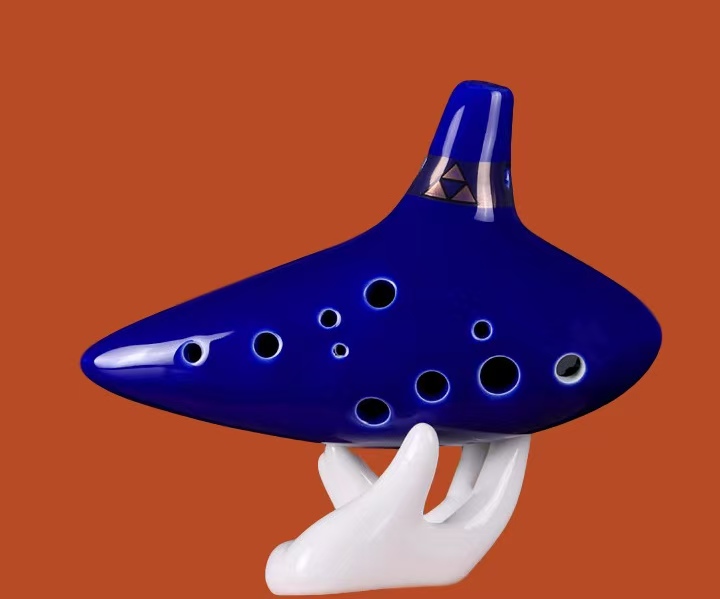
The Ocarina of Time Ocarina has inspired music lovers and video game fans around the world. Popularized by The Legend of Zelda: Ocarina of Time, this unique wind instrument has encouraged many people to discover the beauty of real ocarinas and learn to play their favorite melodies.
Whether you are a Zelda fan, a beginner musician, or someone interested in ceramic musical instruments, understanding how a real ocarina works can help you choose the right instrument and begin your musical journey.
Few video game instruments have inspired as much curiosity as the ocarina from The Legend of Zelda: Ocarina of Time. For many players, this small, flute-like instrument is more than a game accessory. Its gentle melodies evoke adventure, mystery, and the magical world of Hyrule.
With The Legend of Zelda: Ocarina of Time returning in a new version for Nintendo Switch 2 on November 5, 2026, interest in the instrument is finding a new audience. Whether you are a Zelda fan, a music enthusiast, or someone looking for a beginner-friendly wind instrument, this is an excellent opportunity to discover the real ocarina.
In this guide, we will explore the connection between the game and the real-world instrument, explain how ocarinas work, compare popular ocarina types, and share practical tips for choosing your first instrument.
The Legend of Zelda: Ocarina of Time is one of the best-known entries in Nintendo’s Zelda series. Originally released in 1998, the adventure follows Link as he travels through Hyrule, solves puzzles, explores dungeons, and confronts powerful enemies.
The ocarina plays an important role in the game’s world. Link learns musical melodies that help him interact with the environment, solve puzzles, and progress through his adventure. Songs such as Zelda’s Lullaby, Epona’s Song, and the Song of Time have become recognizable parts of the game’s musical identity.
Nintendo has announced a new version of The Legend of Zelda: Ocarina of Time for Nintendo Switch 2, scheduled for release on November 5, 2026. The updated game features redesigned visuals, voiced cutscenes, and revised controls.
One particularly interesting feature for music lovers is the ability to interact with the game’s ocarina through audio input. Players can hum or play learned melodies for the console to recognize, creating a closer connection between the instrument and the gameplay experience.
For fans who want to take that experience beyond the screen, learning to play a real ocarina offers another way to enjoy the music.
Yes. The ocarina is a real wind instrument with a long history, and it is not limited to video games.
An ocarina is a vessel flute, meaning that it produces sound through the vibration of air inside an enclosed chamber. Unlike a traditional transverse flute, which uses a long cylindrical tube, an ocarina typically has a rounded or elongated body with a mouthpiece and several finger holes.
When a player blows gently into the mouthpiece, air enters the instrument and creates a resonant tone. Opening and closing the finger holes changes the effective acoustic properties of the chamber, allowing the player to produce different notes.
Ocarinas are available in ceramic, plastic, and other materials. Ceramic ocarinas are especially popular among enthusiasts because they can combine attractive craftsmanship with a distinctive musical character.
Although the ocarina in a video game is a fictional representation of the instrument, real ocarinas can produce beautiful melodies and are used in folk music, contemporary arrangements, solo performances, and hobby playing.
The ocarina belongs to the family of wind instruments, but its sound-producing mechanism differs from that of many other flutes.
Most traditional ocarinas have four main components:
The pitch depends on the instrument’s design and the combination of open and closed finger holes. Breath pressure also matters, although beginners should avoid blowing too forcefully. Excessive breath pressure can make notes sound sharp, unstable, or harsh.
Unlike many instruments that require extensive physical coordination before producing a recognizable sound, an ocarina can be approachable for beginners. With a suitable instrument and a little practice, new players can start learning simple melodies relatively quickly.
Not every product marketed as a Zelda ocarina works in the same way. Understanding the difference is important before buying one.
A traditional playable ocarina produces sound when the player blows into its mouthpiece. Finger holes control the notes, and the instrument can be used to perform melodies independently of a video game.
These instruments are suitable for people who want to learn music, practice Zelda melodies, or explore the ocarina as a long-term hobby.
Some Zelda-inspired ocarinas are designed primarily as collectibles or display pieces. Depending on the product, they may have limited musical range or may not be properly tuned.
If you want to play music rather than simply display the instrument, look for clear information about its playable range, tuning, finger-hole system, and intended use.
Electronic products may imitate the appearance or sound of an ocarina while using buttons or electronic sound generation instead of conventional acoustic airflow.
For example, Nintendo’s announced Electric OCARINA OF TIME is an electronic toy that uses finger buttons and a mouthpiece button rather than being played by blowing air through it like a traditional ocarina.
That distinction matters: an electronic ocarina-style device may be useful for a particular gaming experience, but it does not necessarily teach the breath control and fingering techniques required for a real acoustic instrument.
If you are new to the instrument, choosing an ocarina with a manageable fingering system and reliable tuning is more important than choosing the most elaborate design.
The 12-hole ocarina is a popular choice for beginners who want access to a useful range of notes. Its fingering system allows players to perform many familiar melodies, including arrangements of video game music.
Many 12-hole ocarinas use a transverse design, held horizontally in front of the player. Other models have different shapes, so it is worth checking the product’s fingering chart before purchasing.
A 6-hole ocarina can be a practical option for people who prefer a compact instrument and a simpler initial fingering system.
However, the available notes and fingering patterns depend on the particular model. Some melodies may need to be adapted to fit the instrument’s range.
Pendant ocarinas are typically small, lightweight instruments that can be carried easily. Many use a compact fingering system and are available in a variety of shapes and colors.
They are convenient for casual playing, although their musical range may differ from that of larger 12-hole instruments.
| Feature | Ceramic Ocarina | Plastic Ocarina |
|---|---|---|
| Material | Fired ceramic | Molded plastic |
| Appearance | Often available in handcrafted finishes and decorative glazes | Usually practical and lightweight |
| Durability | Can break if dropped | Generally more resistant to impact |
| Maintenance | Requires careful handling and appropriate cleaning | Often easier to maintain |
| Best suited for | Players who value ceramic craftsmanship and appearance | Beginners, travel, and everyday practice |
Neither material is automatically better for every player. A well-made instrument with accurate tuning and comfortable finger-hole spacing is generally a better choice than one selected by appearance alone.
Yes. Many Zelda melodies can be arranged for a real ocarina, provided that the instrument has the necessary notes and the arrangement fits its musical range.
Some popular melodies to explore include:
Before choosing a song, check whether the arrangement is written for a 6-hole, 12-hole, or another type of ocarina. Fingering patterns are not always interchangeable between instruments.
Beginners should start with short phrases and practice moving between notes slowly. Once the fingering feels comfortable, focus on keeping the breath steady and the rhythm consistent.
Remember that a game soundtrack and a playable arrangement are not necessarily identical. The original recording may use several instruments, different octaves, or production effects that a single ocarina cannot reproduce on its own.
You do not need to be an experienced musician to begin learning the ocarina. A structured practice routine can help you develop control and confidence.
Start with an ocarina that has a clear fingering chart, reliable tuning information, and a comfortable mouthpiece. A 12-hole model is a common starting point if you want to learn a wide variety of melodies.
Each hole combination corresponds to a note. Practice the basic notes slowly, checking that your fingers cover the holes completely and comfortably.
Use a steady, controlled stream of air rather than blowing as hard as possible. Aim for clear notes at a consistent volume.
Choose a simple tune and divide it into short phrases. Practice each phrase separately before connecting the sections.
Ten to fifteen minutes of focused daily practice can be more useful than an occasional long session. Pay attention to clean transitions between notes, consistent timing, and relaxed breathing.
As your skills improve, you can explore more challenging melodies, different musical styles, and arrangements designed specifically for your instrument.
The best ocarina for you depends on your experience, intended use, preferred sound, and budget. Before buying, consider the following factors.
A properly tuned instrument makes practice more enjoyable and helps you play with other musicians or backing tracks. Look for reliable tuning information and, where possible, demonstrations of the instrument’s full playable range.
The finger holes should be positioned so that you can cover them without excessive strain. If possible, choose an instrument with a fingering chart that matches the learning resources you intend to use.
Listen to recordings or demonstrations of the actual model rather than relying only on product photographs. A useful demonstration should include several notes across the instrument’s range.
Ceramic ocarinas can offer attractive finishes and a distinctive handcrafted appearance. Plastic instruments are generally more resistant to accidental drops and may be convenient for younger players or travel.
Decide whether you want an instrument for learning music, performing Zelda melodies, collecting, gifting, or decoration. A collectible design may look appealing, but a dedicated learner should prioritize playability and tuning.
The ocarina’s appeal extends beyond its association with The Legend of Zelda. Its compact size, distinctive tone, and relatively accessible playing technique make it attractive to people with different musical backgrounds.
For game fans, the instrument offers a tangible connection to a memorable fictional world. For music learners, it provides an opportunity to explore melody, rhythm, breath control, and musical expression without starting with a large or complicated instrument.
Ocarinas are also available in many visual styles, from simple practice instruments to carefully finished ceramic pieces. This variety makes them appealing as musical instruments, gifts, and collectibles.
At the same time, it is important to distinguish an instrument’s appearance from its musical quality. A beautiful ocarina should still be evaluated for tuning, playability, and construction if you intend to use it for regular practice.
The return of The Legend of Zelda: Ocarina of Time in 2026 is a timely reminder of how a fictional instrument can inspire real-world musical curiosity.
Whether you discovered the ocarina through Link’s adventures or simply enjoy the sound of a small wind instrument, learning to play one can be a rewarding experience. Start with a suitable model, learn the basic fingerings, and gradually work toward the melodies you enjoy most.
If you are exploring ocarinas for the first time, take time to compare different hole systems, materials, tuning, and designs. The right instrument is one that fits your playing goals and encourages you to keep practicing.
Ready to explore more? Browse our ocarina collection and learning resources to discover instruments suited to beginners, music enthusiasts, and Zelda fans.
Editorial note: The Legend of Zelda and Ocarina of Time are trademarks of Nintendo. This article is an independent educational guide and is not affiliated with or endorsed by Nintendo.